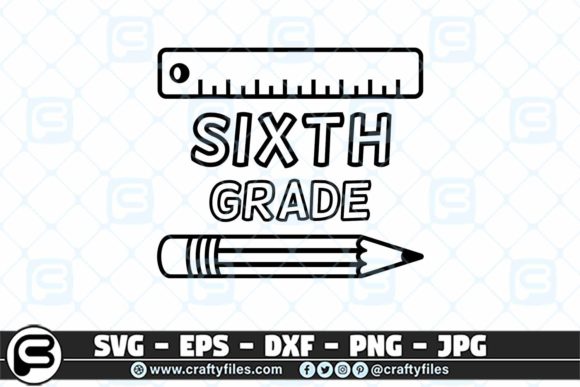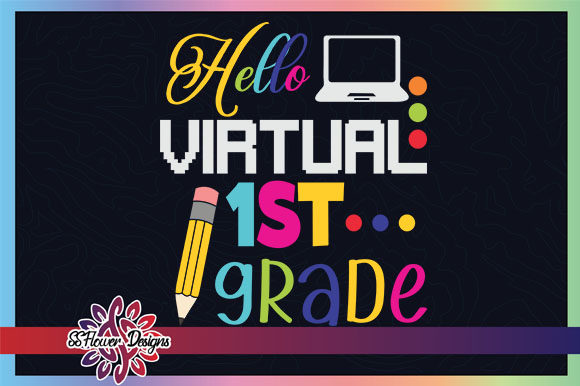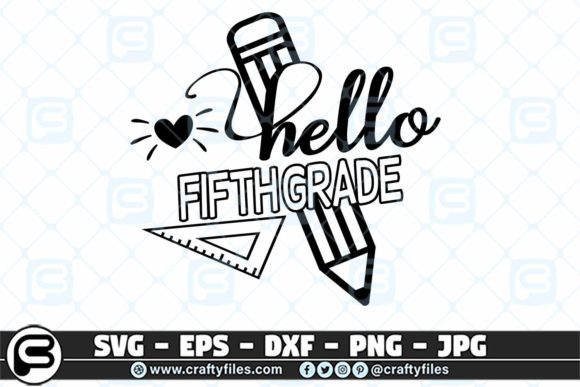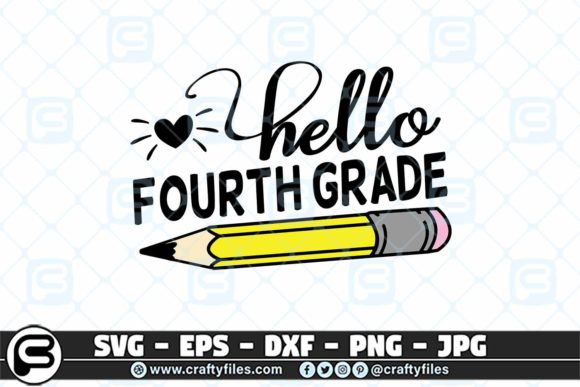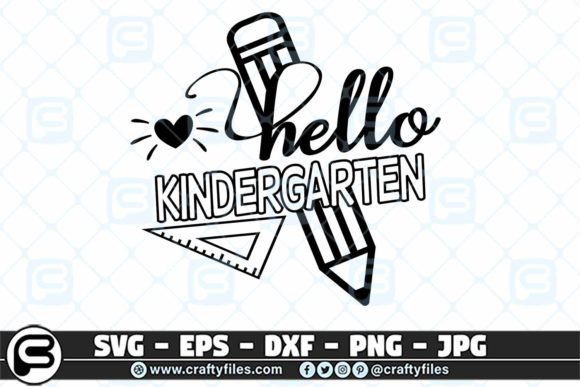
Back to School Hello Kindergarten: Getting the Best Results with Your SVG Cutting Files
Preparing for the first day of school is a milestone that deserves a personal touch. Whether you are crafting a custom T-shirt for a kindergartener, decorating a classroom door, or making matching shirts for siblings in pre-K through 7th grade, digital cutting files like Back to School Hello Kindergarten offer a convenient and creative solution. These SVG, PNG, EPS, DXF, and JPG files are designed to work with Cricut, Silhouette, and other cutting machines, giving you professional-looking results from home. However, even experienced crafters can run into issues that turn a simple project into a frustrating mess. Let us walk through the most common pitfalls and how to avoid them so your first-day design turns out exactly as you imagined.
Understanding What You Are Actually Buying
When you purchase a Back to School Hello Kindergarten digital set, you are not receiving a physical sticker or iron-on transfer. You are buying a bundle of digital files that you will use to cut or print your own materials. The package typically includes an SVG file for Cricut and Silhouette, a DXF file for other cutting software, a high-resolution PNG for printing or previewing, an EPS file for Adobe users, and a JPG for quick reference. Many buyers assume that all these files work the same way, and that misunderstanding is where problems begin.
The SVG file is your best friend for most cutting machines because it preserves clean lines and scalable shapes. The DXF file serves as a backup if your software prefers that format. The PNG file, while beautiful at 300 dpi, is a raster image and will pixelate if you try to enlarge it too much in a cutting program. Knowing which file to use for each step saves time and prevents wasted materials.
Common Mistake One: Using the Wrong File Format in Your Software
One of the most frequent errors people make is dragging a PNG file directly into Cricut Design Space or Silhouette Studio expecting it to cut perfectly. PNG files are great for printing but not for cutting intricate shapes unless you manually trace them. The result is often a messy outline or an image that the machine cannot recognize as a cut path.
Instead, always use the SVG or DXF file for cutting. These vector formats contain the mathematical paths your machine needs to follow. If you are using Cricut Design Space, upload the SVG file directly. In Silhouette Studio, the SVG or DXF will work, though the DXF sometimes imports more cleanly with older versions. If your software asks for a specific format, refer to the included file names rather than guessing. Taking this extra ten seconds prevents ruined vinyl and wasted time.
For those using the PNG file, reserve it for print-then-cut projects or for previewing how the design will look. Do not attempt to use it as a cut file without converting it to a vector first, which most beginners should avoid unless they are comfortable with tracing tools.
Common Mistake Two: Overlooking Scaling and Sizing Before Cutting
Another issue that trips up both beginners and experienced crafters is assuming the design will be the correct size for their project. The Back to School Hello Kindergarten files come at a default size that may be too large or too small for a toddler shirt, a backpack tag, or a classroom banner. Cutting without resizing first leads to designs that look awkward, are illegible, or simply do not fit the intended surface.
Before you hit that cut button, measure your blank surface. A onesie for a new kindergartener might only accommodate a four-inch design, while a tote bag could handle something twice that size. In your cutting software, adjust the width and height while keeping the aspect ratio locked so the design does not warp. If you are making matching shirts for multiple grades, save each sized version separately so you can cut them all at once without confusion.
Also, consider the complexity of the design at smaller sizes. Intricate details in the "Hello Kindergarten" lettering or tiny stars may become too delicate to weed properly if scaled down too much. A good rule of thumb is to avoid going below two inches for detailed text or thin lines. If you need a smaller size, simplify the design or choose a bolder font style.
Common Mistake Three: Ignoring Weeding and Layering Complexity
Digital cutting files look simple on screen, but the physical process of weeding—removing excess vinyl material—can be tedious if the design has many small pieces or tight curves. Buyers sometimes assume that because the file is beautifully designed, it will be easy to weed. That is not always the case, especially with multilayered or script-style lettering.
Before purchasing or cutting, examine the preview image carefully. Does the design have thin loops, tiny dots, or narrow gaps? If you are a beginner or working with stretchy vinyl, look for designs with solid, connected shapes and moderate spacing. The Back to School Hello Kindergarten set is generally well-suited for weeding, but if you choose a variant with lots of small details, budget extra time for that step.
If you are using layered designs (different colors for the apple, letters, and chalkboard background), cut each layer separately and register them carefully. A common shortcut is to skip alignment marks, which leads to shifted layers that ruin the finished look. Use your machine's registration system or a simple jig to keep layers aligned. Patience here pays off with a crisp, professional result.
Common Mistake Four: Misunderstanding the File License and Usage Rights
Many crafters assume that once they buy a digital file, they can use it for anything—selling the finished product, sharing the file with friends, or using it in mass production. This is a critical misunderstanding. The Back to School Hello Kindergarten files are typically sold for personal use or small business use, but terms vary by seller.
If you plan to make shirts for your own children or for a small classroom group, you are almost certainly within the license. However, if you intend to sell finished items at a craft fair or online shop, check whether the license allows commercial use. Some sellers require a separate extended license for production runs over a certain number. Using a file beyond its license can lead to takedown notices or legal issues, not to mention it undermines the creator's work.
Always read the product description and any included terms before downloading. If the license is unclear, message the seller before assuming it is okay. This small step protects your business and supports the designers who create these versatile files.
Common Mistake Five: Neglecting to Test on Scrap Material First
Even the most carefully prepared design can fail if your machine settings are off, your material is incompatible, or your blade is dull. Skipping a test cut is one of the most preventable mistakes. You might spend thirty minutes setting up a project, only to have the cut peel, tear, or misalign on the final shirt.
Before cutting your good vinyl or heat transfer material, run a small test on a scrap piece of the same material. Check that the cut pressure is appropriate, the blade depth is correct, and the design weeds cleanly. If you are using a new brand of vinyl, this test is even more important because material thickness varies widely. Adjust your settings based on the test results, not on what worked for a different project last month.
For heat transfer projects, also test your press time and temperature on a scrap piece of fabric. The Back to School Hello Kindergarten design will look great only if the transfer adheres properly, and that depends on your specific material and equipment. A quick test saves you from ruining a shirt you cannot replace.
Common Mistake Six: Storing and Organizing Files Poorly
After downloading the ZIP folder containing your SVG, EPS, PNG, DXF, and JPG files, many people extract them to their desktop and then forget where they put them. When it is time to use the design again for another child or a future school year, they cannot find the correct file and end up downloading it again or using a low-resolution version.
Set up a clear folder structure on your computer or cloud storage. Label folders by holiday, grade, or project type. For example, a folder named "Back to School 2025" with subfolders for each grade level keeps everything accessible. Rename the files to something descriptive if the original names are long codes. This habit is especially useful if you buy multiple sets for different grades, as the Back to School Hello Kindergarten bundle covers pre-K through 7th grade. When you need the 2nd grade design next year, you will find it instantly.
Common Mistake Seven: Ignoring the Difference Between Cut Files and Print Files
Some buyers see the PNG file included in the set and assume they can print the design onto transfer paper and cut it out with scissors. While you can do that, the result will not have the same clean edge as a machine-cut vinyl design. The PNG is meant for digital previews or for print-then-cut projects where your machine prints the design and then cuts around it.
If you want a true cut-out look with no white borders, you need to use the SVG or DXF file with your cutting machine. If you do not own a cutting machine, the PNG can still be useful for card making or scrapbooking, but understand that the precision you see in product photos comes from machine cutting, not hand cutting. Adjust your expectations and method accordingly.
Common Mistake Eight: Rushing the Download and Extraction Process
After purchasing, you receive a link to a ZIP folder. Beginners sometimes try to upload the ZIP file directly into Cricut Design Space or Silhouette Studio, which does not work. You must extract the files first. On a computer, right-click and select "Extract All." On a mobile device, you may need a file manager app. Then, locate the SVG file and upload that specific file to your cutting software.
Similarly, if you are using an iPad or tablet, ensure your software supports SVG uploads. Some mobile versions of cutting apps have limited file support, so check compatibility before you buy. Taking a moment to understand your device and software setup prevents the frustration of a file that will not open.
Practical Advice for a Smooth First Project
If you are new to working with Back to School Hello Kindergarten files, start with a simple project. A single-color design on a plain cotton T-shirt is forgiving and teaches you the basics of uploading, sizing, cutting, weeding, and pressing. Once you are comfortable, move on to layered designs or different materials like bags, hats, or banners.
Pay attention to the material recommendations. For shirts, use either iron-on vinyl or heat transfer paper designed for fabric. For rigid surfaces like notebooks or lunchboxes, use permanent adhesive vinyl. Matching the material to the intended use ensures your design lasts through the school year.
Finally, keep the original files stored safely. You may want to reuse the design for another child, a teacher gift, or a classroom set. Having the SVG and EPS files on hand means you can scale, recolor, or modify the design later without buying it again.
Final Thoughts
The Back to School Hello Kindergarten SVG set is a versatile and charming way to celebrate the first day of school for children from pre-K through 7th grade. By understanding the file formats, testing your materials, respecting the license, and organizing your files, you avoid the common mistakes that turn a fun project into a headache. Whether you are a parent crafting for your own child, a teacher preparing classroom materials, or a small business owner creating custom orders, these digital files offer endless possibilities when used correctly. Take your time, follow these practical steps, and your first-day designs will look polished and heartfelt—ready to create memories that last well beyond the school year.