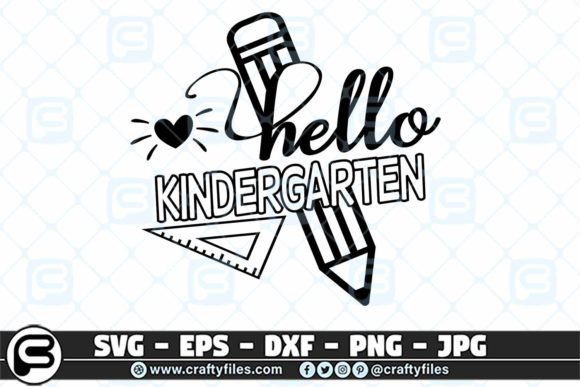
Back to School Hello 1st Grade School: What to Know Before You Buy and Use SVG Cutting Files
A new school year means fresh opportunities for creative projects, and few things capture that milestone moment quite like a well-designed Back to School Hello 1st Grade School graphic. Whether you are a parent preparing a custom shirt for your child's first day, a teacher decorating a classroom, or a small business owner building a seasonal product line, these digital cutting files offer a fast, affordable way to produce professional-looking results. However, many people run into avoidable problems—wasted materials, distorted designs, or files that simply won't work with their machine—simply because they overlook a few key details. Understanding what these files actually contain, how to handle them, and where mistakes most often creep in will save you time, money, and frustration.
What Exactly Are These Back to School SVG Files?
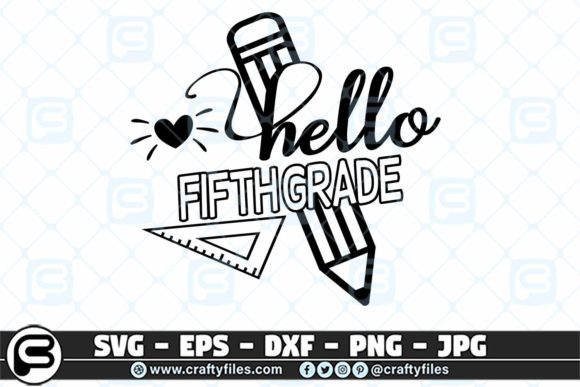
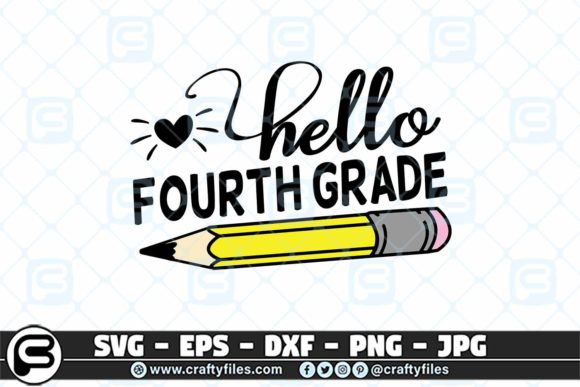
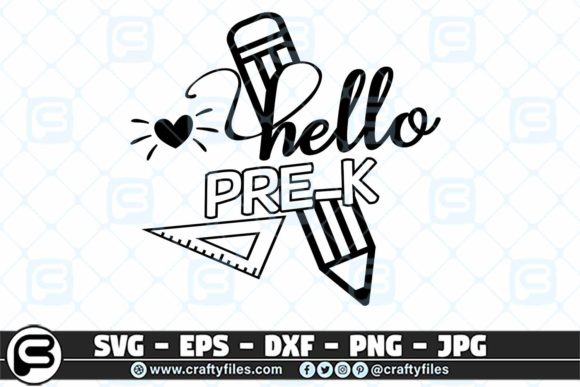
A Back to School Hello 1st Grade School SVG file is a digital design that contains vector-based artwork specifically created for cutting machines like Cricut and Silhouette. Unlike a standard image, vector graphics are built from mathematical paths, which means they can scale to any size without losing quality. This makes them ideal for everything from tiny stickers to large wall decals. The product listings you see often bundle multiple grades—Pre-K through 7th grade—so you can use one download for several projects or children. Alongside the primary SVG format, you typically receive DXF, EPS, PNG, and JPG versions, ensuring compatibility across different software and machines.
Where people often get confused is thinking that all these files are interchangeable or that any one of them will work equally well in any situation. In reality, each format serves a distinct purpose, and picking the wrong one for your workflow is one of the most common—and easily avoidable—mistakes.
Mistake One: Choosing the Wrong File Format for Your Machine
Many beginners open the downloaded folder and immediately drag the PNG or JPG into their cutting software, assuming it will work like the SVG. That rarely ends well. PNG and JPG are raster images made of pixels, not paths. While they are useful for previewing the design or printing it on paper, they do not give your cutting machine the clean, editable vector data it needs to cut precisely. If you try to upload a PNG into Cricut Design Space and use the "Print Then Cut" feature without understanding the limitations, you will likely end up with blurry edges or unexpected cut lines.
What to do instead: Always use the SVG file when working with Cricut Design Space, Silhouette Studio (Designer Edition or higher), or similar vector-based software. The SVG preserves the clean outlines and keeps each color or layer separate. If your machine or software does not support SVG natively, the DXF file is often a solid backup option, especially for older versions of Silhouette Studio. The EPS file is best for professional graphic design programs like Adobe Illustrator or CorelDRAW. Save the JPG and PNG for previews, mockups, or simple printing, not for cutting.
Mistake Two: Not Checking the Layering and Color Setup Before Cutting
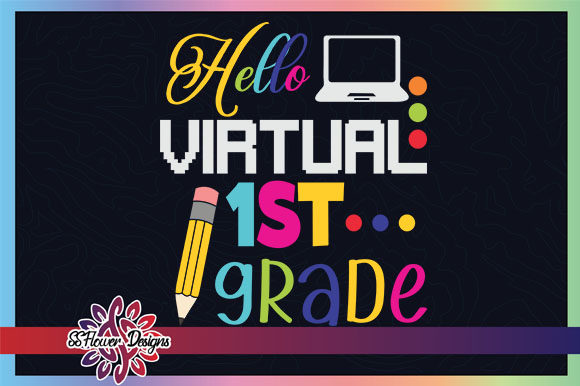
A Back to School Hello 1st Grade School design often includes multiple elements: the grade number, the word "Hello," decorative school supplies like pencils or apples, and perhaps a chalkboard background. When you import the SVG, you may see several color layers on your canvas. A frequent error is assuming that the colors in the file are instructions for your machine rather than just visual helpers. If you send the design to cut exactly as it appears, your machine will try to cut every single colored piece separately, often resulting in a jumble of tiny parts that are difficult to assemble.
A better approach: Before you hit "Make It," take a few minutes to examine the layers in your software. Decide whether you want to cut each color from a different sheet of adhesive vinyl or iron-on material, or whether you want to simplify the design by merging elements into fewer layers. For example, you might cut the grade number in one color and the decorative elements in another, rather than trying to replicate every shade shown in the preview. Learning how to "weld" or "flatten" layers in your software will also help you avoid overlapping cuts that waste material.
Mistake Three: Overlooking the Zip File and Extraction Step
It might sound too basic to mention, but a surprising number of people purchase a digital download and then cannot find their files. The product description clearly states that you receive a single ZIP folder containing five separate file formats. Many operating systems can preview the contents of a ZIP without fully extracting them, which leads users to try opening the files directly from the compressed folder. This often causes errors, missing elements, or files that appear corrupted.
Simple fix: Right-click the ZIP folder and choose "Extract All" (on Windows) or double-click to unzip it on a Mac. Save the extracted files to a dedicated project folder on your computer or cloud drive. Once unzipped, you will see each format clearly labeled. Import the SVG directly from that unzipped location into your cutting software, and you will avoid most file-reading issues entirely.
Mistake Four: Ignoring Commercial Use Terms
If you run a small business or side hustle selling custom shirts, tumblers, or classroom decor, you must pay close attention to the usage license included with the Back to School SVG Pre-K kindergarten 1st grade 2nd grade 3rd grade 4th grade 5th grade 6th grade 7th Grade SVG files. Some sellers include commercial use in the purchase price; others require an extended license for any for-profit activity. Assuming that all SVG files are free for commercial use is a common misunderstanding that can lead to copyright issues or your products being removed from marketplaces.
Check before you sell: Read the product description thoroughly before completing your purchase. Look for specific phrases like "commercial use allowed," "personal use only," or "extended license required." If the information is unclear, message the seller directly. Many creators are happy to clarify their terms, and it is far better to ask upfront than to risk a dispute later. Keep a record of your purchase and the license terms so you can refer back to them if needed.
Mistake Five: Resizing Without Respecting Proportions
Because vector files scale perfectly, it is tempting to stretch a design to fit any surface without thinking about aspect ratio. But pulling the corner of a design carelessly can make the grade number look squashed or the decorative elements appear warped. This is especially noticeable with text-heavy designs like "Hello 1st Grade" where the horizontal or vertical proportions are critical to readability.
How to avoid distortion: Hold down the Shift key (or the equivalent in your software) while dragging a corner handle to scale the design proportionally. If your software has a "lock aspect ratio" option, make sure it is enabled before you adjust the size. If you need the design to fit a specific width but are okay with the height changing slightly, consider using the software's "weld" or "contour" tools to separate elements and rearrange them rather than stretching everything at once.
Mistake Six: Forgetting to Mirror Your Design for Heat Transfer
One of the most frustrating moments for anyone using iron-on vinyl is pressing a perfectly cut design onto a shirt, only to realize the words are backwards. This happens because heat transfer vinyl (HTV) requires you to mirror the design before cutting so that it reads correctly when applied. Many SVGs are oriented for a non-mirrored view, and assuming they are ready to go as-is is a costly error.
The smart workflow: Before you load your material into the cutting machine, select the entire design in your software and look for a "mirror" or "flip horizontally" option. In Cricut Design Space, there is a dedicated mirror toggle in the project preview screen. In Silhouette Studio, you can mirror under the "Replicate" panel. Make this step a non-negotiable part of your routine, and you will save both time and material.
Mistake Seven: Not Testing a Small Version First
Even experienced crafters sometimes skip the test cut. The Back to School Hello 1st Grade School design might include delicate elements like thin lines in a pencil drawing or tiny stars around the grade number. If your blade pressure is too high, you could cut through the backing paper of your iron-on material. If the pressure is too low, small pieces may not separate cleanly from the surrounding vinyl.
Practical advice: Use a small scrap piece of the same material to test a tiny portion of the design—perhaps just the number "1" or a single star. Adjust your blade settings, cut speed, and material type in the software accordingly. Once you confirm that the cut is crisp and the weeding is straightforward, proceed with the full design. This one step alone can prevent you from ruining an entire sheet of vinyl that cost several dollars.
Mistake Eight: Underestimating the Weeding Time
Weeding—the process of removing the excess vinyl from around your design—is often the most time-consuming part of any project. A 1st Day At School SVG design with many small internal cutouts, such as the inside of letters or detailed icons, can take significantly longer to weed than a simple blocky shape. Beginners frequently underestimate this and end up frustrated or rushed, which leads to tearing small pieces.
Plan your projects accordingly: Choose designs that match your skill level and available time. If you are new to vinyl cutting, start with designs that have larger, simpler shapes and thicker lettering. As you become more comfortable weeding, you can tackle more intricate files. Also invest in a good weeding tool set—a fine-point pick and a set of tweezers make a noticeable difference when working with small details.
Mistake Nine: Ignoring Software Compatibility Before Downloading
Not all versions of Silhouette Studio support SVG files. The free basic edition of Silhouette Studio does not allow SVG imports; you need the Designer Edition or higher. Similarly, older versions of Cricut Design Space may handle DXF files differently than newer updates. A person who buys a bundle of Back to school SVG Pre-K kindergarten 1st grade 2nd grade 3rd grade 4th grade 5th grade 6th grade 7th Grade SVG files expecting to open them in the free Silhouette Studio is in for a surprise.
What to check beforehand: Look up the file format compatibility of your specific software version. If you run the free Silhouette Studio, the DXF file may work better than the SVG. If you use Cricut Design Space, uploading SVG files is straightforward, but you should still verify that your internet connection and app version are current. When in doubt, the PNG file can be used as a print-and-cut design in many programs, though you lose the vector benefits.
Mistake Ten: Rushing the Weeding and Transfer Tape Application
After cutting and weeding your design, applying transfer tape seems simple, but there are subtle errors that affect the final result. Using too much pressure can cause the vinyl to stick permanently to the transfer tape instead of the base material. Lifting the tape too quickly can pull small letters or details out of alignment. And placing the design without carefully measuring its position on the shirt often results in crooked or off-center text.
A more reliable method: Cut a piece of transfer tape slightly larger than your design. Apply it gently from the center outward, using a scraper tool with even, moderate pressure. Burnish the design through the tape, then peel the backing slowly at a low angle. For positioning, use a ruler or a placement guide—many crafters put a small dot on the shirt with a washable marker at the centerline to help align the design. Once the design is exactly where you want it, press firmly and peel the transfer tape away slowly.
What to Look For in a Quality Back to School SVG Bundle
Not all SVG files are created equal. A well-crafted Back to School Hello 1st Grade School bundle will have clean, closed vector paths, properly grouped layers, and consistent sizing across all grade levels. Poorly made files might have open paths that cause your machine to cut where you do not expect, or they might include stray anchor points that complicate weeding. Before purchasing, look at customer reviews and photos of finished projects. If you see complaints about missing pieces, broken files, or designs that do not cut cleanly, that is a strong signal to look for a more carefully produced set.
Also check that the bundle includes the specific grades you need. Some sellers offer a single design with multiple grade options in one file, while others provide separate files for each grade. Understanding the structure of your download will help you organize your projects efficiently and avoid accidentally cutting the wrong grade level for a customer's order.
In the end, working with Back to School Hello 1st Grade School and similar SVG cutting files is a rewarding process that becomes far more enjoyable once you know where the common pitfalls lie. By choosing the right file format for your machine, checking your software compatibility, respecting commercial use terms, and taking the time to mirror, test, and weed carefully, you will produce clean, professional results that capture the excitement of a new school year. Whether you are making a single shirt for your own child or building a product line for dozens of families, these small habits will save you material, money, and time, allowing you to focus on the creative side of your projects.