Hello Virtual 1st Grade Back to School: Your Complete Guide to Digital Illustrations and Craft Files
The shift to virtual learning has transformed how families prepare for the school year. Whether your child is starting first grade online, in a hybrid setting, or you simply want to celebrate this milestone with a homemade touch, the "Hello Virtual 1st Grade Back to School" digital illustration set offers a creative solution. These editable files allow parents, teachers, and crafters to produce personalized items—from shirts and tote bags to classroom decorations and keepsakes. This guide explains everything you need to know about these versatile designs, from file formats and cutting software to practical project ideas and common questions.
What Are "Hello Virtual 1st Grade Back to School" Digital Illustrations?
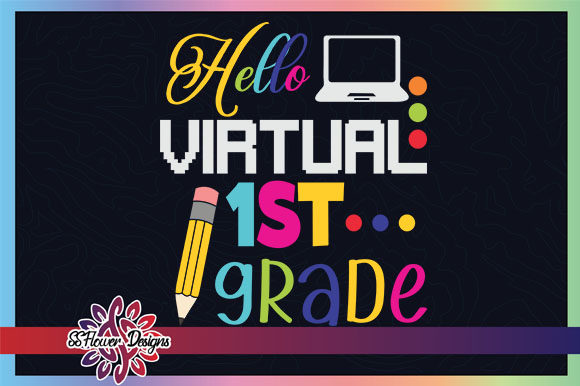
Digital illustrations are high-resolution graphic files designed for both personal and professional crafting. The "Hello Virtual 1st Grade" set typically includes a cheerful, school-themed design—often featuring a friendly character, school supplies, or a motivational phrase—that celebrates the unique experience of starting first grade in a virtual or blended learning environment.
These files are provided in multiple formats to accommodate different crafting methods:
- SVG (Scalable Vector Graphics): Ideal for cutting machines like Cricut and Silhouette. The vector format ensures clean lines and scalability without loss of quality.
- PNG (Portable Network Graphics): A high-resolution raster image (300 PPI) with a transparent background, perfect for digital use, print-on-demand, or sublimation.
- DXF (Drawing Exchange Format): Another vector option compatible with many CAD and cutting programs.
- EPS (Encapsulated PostScript): A versatile vector format used by professional graphic designers and some cutting software.
The files are delivered in a compressed WinZip folder, which you must unzip after download. The final files do not contain a watermark, giving you a clean, ready-to-use design.
Why These Files Are Perfect for Back-to-School Projects
The "Hello Virtual 1st Grade" collection bridges the gap between traditional school celebrations and modern learning realities. Here’s why they’ve become so popular among parents and educators:
- Personalization: You can customize the design with your child’s name, favorite colors, or school mascot, making each item uniquely theirs.
- Versatility: Use the same file for clothing, home decor, party supplies, and digital resources.
- Cost-Effective: Once purchased, you can reuse the design for multiple projects—classroom gifts, sibling shirts, or seasonal updates.
- Time-Saving: Professionally designed files eliminate the need to create from scratch, even if you have no artistic skills.
Understanding File Formats: Which One Should You Choose?
Choosing the right format depends on your intended project and the software you use. Here’s a breakdown of each format’s strengths and common uses:
SVG Files – The Crafter’s Best Friend
SVG is the most popular format for cutting machines like Cricut Design Space and Silhouette Studio. Because it’s a vector file, it scales perfectly to any size—from a tiny label to a full-size poster—without pixelation. Use SVG files when you plan to cut vinyl, cardstock, or fabric. They also work well for laser engraving and heat transfer projects.
PNG Files – For Digital and Print Projects
At 300 PPI, the PNG version provides excellent print quality. The transparent background makes it easy to overlay the design onto digital materials (like PDF worksheets or Google Classroom headers) or to print directly onto transfer paper for T-shirts. PNG files are also ideal for sublimation printing, which requires a high-resolution raster image.
DXF and EPS Files – Professional and Compatibility Options
DXF files are often required by older cutting software or CAD programs. EPS files are a staple in professional design workflows and can be opened in Adobe Illustrator, CorelDRAW, and many other vector editors. If you plan to modify the design extensively or work with a commercial printer, EPS is a reliable choice.
How to Use "Hello Virtual 1st Grade" Files with Cutting Machines
One of the primary uses for these digital illustrations is creating physical items with cutting machines. Below is a step-by-step guide for common software:
Using with Cricut Design Space
- Unzip the downloaded folder on your computer.
- Open Cricut Design Space and start a new project.
- Click "Upload" and select "Upload Image." Choose your SVG file (or PNG if you prefer).
- Once uploaded, insert the image into your canvas. Resize as needed.
- Add text or other elements (e.g., your child’s name) using the Text tool.
- Attach all layers, then select your material (e.g., iron-on vinyl, cardstock) and cut.
- Weed the design, apply transfer tape, and heat press or iron onto your fabric or surface.
Using with Silhouette Studio
- Unzip the file and open Silhouette Studio.
- Go to File > Open and select the SVG or DXF file.
- Use the adjustment tools to resize or customize the design.
- Set your cut settings based on the material you’re using.
- Load your mat and send the design to the machine.
Important: The provider notes that there is no guarantee of design quality once the files are altered, edited, or converted. Always save a backup of the original file before making changes.
Creative Project Ideas for "Hello Virtual 1st Grade"
The possibilities are nearly endless. Here are ten practical and imaginative ways to use these digital illustrations:
- Custom T-Shirt: Cut iron-on vinyl and press onto a cotton shirt for the first day of virtual school.
- Teacher Gift: Create a personalized mug, tote bag, or notebook for your child’s teacher.
- Classroom Decor: Print the design on cardstock for a bulletin board or door sign.
- Zoom Background: Use the PNG file as a virtual background during online classes.
- Party Decorations: Design banners, cupcake toppers, and party hats for a back-to-school celebration.
- Laptop Sleeve: Iron the design onto a fabric laptop case or sleeve.
- Water Bottle: Use permanent vinyl to decorate a reusable water bottle.
- Binder Cover: Print the design and slip it into the front pocket of a school binder.
- Memory Keepsake: Create a framed print or a scrapbook page commemorating the first grade year.
- Gift Tags: Cut small versions to attach to welcome gifts for classmates or neighbors.
Tips for Editing and Customizing Your Files
While these files are ready to use out of the box, you may want to personalize them. Follow these best practices to maintain quality:
- Work with copies: Always edit a duplicate file, not the original.
- Use vector software: For SVG, EPS, and DXF files, programs like Adobe Illustrator, Inkscape (free), or Affinity Designer preserve the vector paths best.
- Keep resolution high: If you must rasterize a vector file, export at 300 PPI or higher to avoid pixelation.
- Test before committing: Run a small test cut or print on scrap material to check alignment and color.
- Watch out for fine details: Very thin lines or small text might not cut cleanly—simplify the design if needed.
Common Misunderstandings About Digital Cut Files
Many first-time users have questions about what these files can and cannot do. Let’s clarify a few points:
- "SVG files work with any software." Not all programs support SVG. Always check compatibility before purchasing. Cricut Design Space, Silhouette Studio, Sure Cuts A Lot, and Canvas are confirmed compatible.
- "The design will print exactly as shown." The file includes the artwork only; you control the size, color, and medium. The watermark in product photos is removed from your download.
- "I can resize the design infinitely without issues." Vector files (SVG, EPS, DXF) scale without quality loss, but PNG files have fixed pixel dimensions. Enlarging a PNG beyond 100% may cause blurriness.
- "Editing is risk-free." As the seller notes, changes may affect design quality. Always test modifications on a copy.
How These Files Support Virtual Learning and Modern Education
The "Hello Virtual 1st Grade" collection reflects a broader trend in education: the blending of digital tools with traditional milestones. As more families embrace online learning, the demand for flexible, customizable resources has grown. These files empower parents and teachers to create a sense of community and celebration, even when students are learning from home.
For educators, using such designs in classroom materials—like virtual awards, digital stickers, or printable worksheets—can boost student engagement. For parents, crafting together offers a hands-on activity that builds excitement for the school year. Whether you’re a seasoned crafter or a beginner, these files lower the barrier to creating professional-looking results.
Practical Download and Usage Checklist
To ensure a smooth experience, follow these steps after purchase:
- Download the compressed folder (usually a .zip file).
- Extract the contents using WinZip, 7-Zip, or your operating system’s built-in unzip tool.
- Locate the four file types: SVG, PNG, DXF, and EPS.
- Choose the format that matches your project and software.
- Open the file in your chosen program and customize as needed.
- Save your work and proceed with cutting or printing.
- Keep the original unzipped folder as a backup in case you need to start over.
Final Thoughts: Bringing Creativity to the First Grade Journey
The "Hello Virtual 1st Grade Back to School" digital illustration set is more than just a graphic—it’s a tool for connection, celebration, and self-expression. Whether you’re outfitting your child for their first day of virtual class, creating a gift for their teacher, or simply marking a special milestone, these files provide a flexible, high-quality foundation. By understanding the different formats, software options, and project possibilities, you can make the most of this versatile resource.
Remember to always unzip your files, choose the right format for your project, and test before finalizing. With a little creativity and the right tools, you can transform a simple digital illustration into a memorable keepsake that celebrates the unique adventure of first grade—in a virtual world.