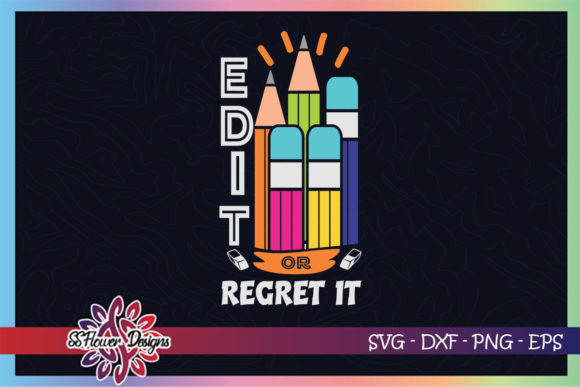
Edit or Regret Back to School: Why Customizing Your Digital Illustrations Now Saves You Later
The phrase "edit or regret" carries a particular weight when it comes to back-to-school preparation. Every parent, teacher, or DIY creator who has ever rushed through a project only to wish they had adjusted the design beforehand understands this tension. Digital cutting files, vector illustrations, and editable graphics have transformed how we approach school-season crafting, but only if you know how to use them properly. The idea of edit or regret back to school centers on a simple truth: taking the time to tweak, resize, and personalize your digital assets before cutting or printing prevents the frustration of wasted materials, mismatched colors, or awkward placements.
Whether you are preparing custom labels for notebooks, designing iron-on transfers for uniforms, or creating classroom decorations, the files you choose matter. A high-quality SVG cut file that works seamlessly with cutting software such as Cricut Design Space, Silhouette Studio, Sure Cuts A Lot, or Canvas gives you control over every detail. But that control only pays off if you use it wisely. The edit or regret back to school mindset encourages you to open those files, inspect every curve and layer, and make adjustments before you commit to cutting. The result is a finished product that looks intentional rather than rushed.
Understanding the File Formats Behind the Design
When you download a set of digital illustrations for back-to-school projects, you typically receive a compressed folder—often a WinZip file—containing multiple formats. Each format serves a different purpose, and knowing which one to use for your specific task is part of the edit or regret philosophy. The most common formats include SVG, PNG, EPS, and DXF. Additionally, high-resolution PSD files at 300 PPI are often included for those who prefer working in raster-based editing software.
- SVG (Scalable Vector Graphics): This is the preferred format for cutting machines. Because it stores mathematical paths rather than pixels, you can scale it to any size without losing quality. Cricut Design Space, Silhouette Studio, and other cutting applications read SVG files natively.
- PNG (Portable Network Graphics): A raster format with transparent backgrounds, ideal for previewing designs, printing, or using in presentation software. At 300 PPI, the resolution is crisp enough for professional output.
- EPS (Encapsulated PostScript): A vector format widely used in professional design workflows. It opens in Adobe Illustrator, CorelDRAW, and many other vector editors. EPS files are robust for conversions and high-end printing.
- DXF (Drawing Exchange Format): Originally developed for CAD software, DXF files are supported by many cutting machines and allow precise path editing.
- PSD (Photoshop Document): Layered files that let you edit individual elements, change colors, and combine designs. These are especially useful if you want to modify the illustration significantly before exporting to a cut-ready format.
The edit or regret back to school approach means checking which formats are included in your download and verifying that your software can handle them. Most sellers clearly list the formats, and you should always confirm before purchasing. A missing SVG file, for example, could mean your Cricut machine cannot read the design, forcing you to convert formats manually—and conversions sometimes introduce errors.
How Cutting Software Handles Editable Files
Once you have unzipped your download, the next step is importing the design into your cutting software. Cricut Design Space, Silhouette Studio, Sure Cuts A Lot, and Canvas each have slightly different import processes, but they all accept SVG files as a primary format. The benefit of starting with an editable vector file is that you can adjust virtually every aspect before the blade touches your material.
Consider the case of iron-on vinyl for a child's backpack. The stock design might be perfectly sized for a toddler, but if you are applying it to a full-size school bag, you need to scale it up. With an SVG file, scaling is distortion-free. You can also mirror the design horizontally for heat transfer applications, a step that is easy to forget and impossible to undo once the vinyl is cut. The edit or regret back to school mindset forces you to double-check that mirror setting before pressing "go."
Another common adjustment involves welding letters or joining overlapping paths. Many back-to-school designs include text elements that need to remain connected for clean cutting. If you skip this step, individual letters may fall apart during weeding. Taking a few minutes to weld or merge paths within your cutting software eliminates that headache.
Real-World Applications: From Clothing to Glassware
The versatility of digital cutting files means they can be applied to a wide range of surfaces. The edit or regret back to school principle is particularly relevant here because different materials demand different preparation steps.
Iron-on clothing and accessories: Custom T-shirts, sweatshirts, and bags are classic back-to-school projects. Cut your vinyl design, weed away the excess, and press it onto the fabric using heat. The regret side of edit or regret shows up when you realize the design is crooked, too small, or placed too close to a seam. Measuring the placement area on the garment and adjusting the file dimensions in your software beforehand prevents these issues.
Glass panes and windows: Window clings, decorative glass decals, and classroom window art are popular for welcoming students or marking classroom areas. Cutting vinyl for glass requires a slightly different adhesive quality, and the design often needs to be readable from the outside. Mirroring the image horizontally is critical here as well. If you forget, you end up with backward text that cannot be fixed without cutting a new piece.
Fabric embroidery and sewing: Some SVG cut files can be converted for embroidery machines, allowing you to stitch designs directly onto fabric. The edit or regret back to school approach applies here because embroidery requires careful density and path adjustments. A design that looks great as a vinyl cut may need simplification for thread. Testing the file on a scrap piece of fabric before stitching onto the final garment saves time and frustration.
Paper crafts and classroom decorations: Bulletin board letters, subject labels, and name tags are quick wins with cutting machines. Paper is forgiving, but thin materials can tear if the design has overly intricate details. Editing the file to remove tiny cut lines or increasing the stroke width can make the design more durable.
Working with Compressed Files and Watermarks
When you purchase a digital illustration set, the files arrive in a compressed zip folder. After downloading, you need to unzip the folder to access the individual SVG, PNG, EPS, and DXF files. The edit or regret back to school idea applies here too: unzip and inspect every file type immediately. If a format is missing or corrupted, you want to know before you start a project, not halfway through.
A common point of confusion involves watermarks. The preview images on product listings often display a watermark to protect the seller's work. Your purchased download will not include that watermark. If you see a watermark in any file you open, you may have accidentally opened a preview version instead of the actual cut file. Checking the file name and confirming the absence of watermark text is a simple but essential verification step. Once you confirm the files are clean, you can proceed with editing confidently.
There is no guarantee of quality once you alter, edit, or convert the original file. This disclaimer is standard for digital assets. Vector paths can become distorted if you convert between formats incorrectly, and colors may shift when you switch color profiles. The edit or regret back to school perspective accepts this limitation and works around it by making backups of the original files before making any changes. If your edit goes wrong, you can always return to the untouched version and start again.
Common Edits That Prevent Regret
Certain adjustments come up so often during back-to-school crafting that they deserve special attention. Building these edits into your workflow automatically can dramatically reduce mistakes.
- Resizing for consistency: If you are making multiple labels or tags, ensure all elements are scaled to the same proportion. Cutting software allows you to input exact dimensions or use alignment tools to match sizes.
- Color changes for personalization: Maybe the original design uses a shade of blue that clashes with your school colors. Editable vector files let you change fill colors quickly. In SVG format, double-click the element and pick a new color from the palette.
- Removing elements you do not need: A complex design might include decorative flourishes that look nice but add cutting time or create weeding challenges. Deleting unnecessary paths simplifies the cut and saves material.
- Adding text or names: Many back-to-school projects require personalization. Your cutting software can add text paths alongside the existing design. Just make sure to weld the text to the design if you want it to cut as one piece.
- Adjusting line thickness: If the SVG file has very thin strokes, they might not cut cleanly on certain materials. Increasing stroke width or converting strokes to fills can improve the final result.
Each of these edits is straightforward in the right software, but skipping them leads to results that feel unfinished. The edit or regret back to school philosophy is ultimately about taking ownership of the design process. You are not just a consumer of the file; you are a creator who refines it for your specific context.
Who Benefits Most from This Approach
The edit or regret back to school workflow is not limited to one type of user. In fact, the diversity of people who rely on digital cutting files for school projects is part of what makes this topic so broadly relevant.
Parents and caregivers often need customized items for multiple children, each with different preferences and needs. Being able to edit a single base design into variations for each child saves time and ensures no one feels left out. Teachers use cutting files to create classroom materials that reinforce curriculum themes or celebrate seasonal events. A well-edited SVG file can produce a full classroom set of name tags, subject headers, or motivational posters in under an hour. Hobbyists and small business owners who sell back-to-school crafts on Etsy or at local markets rely on editable files to offer personalized products without designing from scratch. Educators and researchers might use these files in workshops or publications about digital fabrication and design literacy.
Even professionals in the signage and apparel industries occasionally turn to SVG cut files for rapid prototyping or small-batch runs. The edit or regret back to school mindset applies to anyone who values precision and wants to minimize material waste.
Practical Considerations Before You Start Cutting
Beyond the editing itself, a few practical factors determine whether your project ends in satisfaction or frustration. The edit or regret back to school framework encourages you to think about these factors before you load your mat.
First, consider the material you are cutting. Vinyl, cardstock, fabric, and heat transfer material each have optimal settings for pressure and blade depth. A design that cuts beautifully on standard vinyl may tear on thin paper or fail to penetrate thick fabric. Editing the file to simplify intricate sections can compensate for material limitations.
Second, test cuts are your best friend. Most cutting software includes a test cut feature that lets you cut a small section of your design on a scrap piece of material. Use it. A thirty-second test can reveal alignment issues, blade depth problems, or design flaws that would ruin a full sheet of material.
Third, pay attention to file compatibility. Not all SVG files are created equal. Some include embedded fonts that your software may not recognize, causing text to display incorrectly. If the design relies on a specific font, either install that font on your system or convert the text to paths before saving. Converting text to paths makes the letters uneditable as text, but it guarantees they will appear correctly on any machine.
Fourth, keep your software updated. Cutting applications release updates that improve file reading, add new features, and fix bugs. An outdated version might mishandle a modern SVG file. The edit or regret back to school approach includes maintaining your tools so they work reliably when you need them.
Why the Edit or Regret Mindset Sticks
The phrase edit or regret back to school resonates because it captures a universal experience: the split-second decision to skip a step and the immediate disappointment when things go wrong. Digital crafting is forgiving in some ways—you can always cut another piece—but materials cost money and time is finite. Learning to edit deliberately, with patience and attention, transforms the crafting process from a gamble into a reliable practice.
Every experienced crafter has a story of a project that went wrong because they skipped a preview or ignored a warning in their software. The strength of the edit or regret back to school framework is that it reframes those mistakes not as failures but as lessons. The next time you open an SVG file, you will check the mirror setting. You will weld the letters. You will measure the placement area. You will unzip the folder and verify the watermark is absent. These small habits compound into consistent, high-quality results.
Ultimately, the digital illustrations you receive are raw potential. They become something valuable only through your editing decisions. By adopting the edit or regret back to school mindset, you ensure that the final product reflects your intent, not your haste.