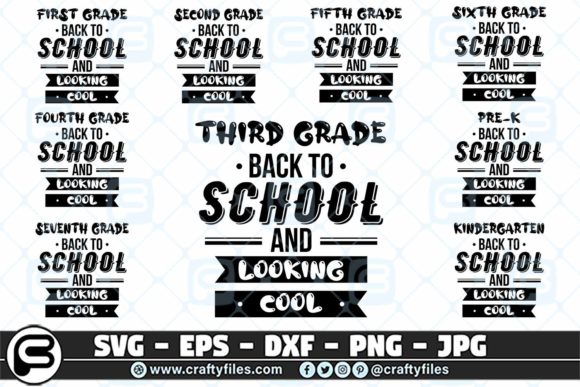
School Grade Back to School and Looking: Digital Artwork for the First Day and Beyond
The first day of school is a milestone that families celebrate with rituals, photographs, and often a carefully chosen outfit. In recent years, that outfit has increasingly featured a custom design—a shirt or tote bag that proudly proclaims a child’s grade, name, or even a funny first-day sentiment. What used to require a specialty screen printer or vinyl heat press service can now be accomplished at home with a cutting machine and the right digital file. This shift has created a vibrant niche for digital artwork focused on school grades, and it’s transforming how parents, teachers, and small business owners approach back-to-school preparation.
The Growing Appeal of Personalized School Grade Designs
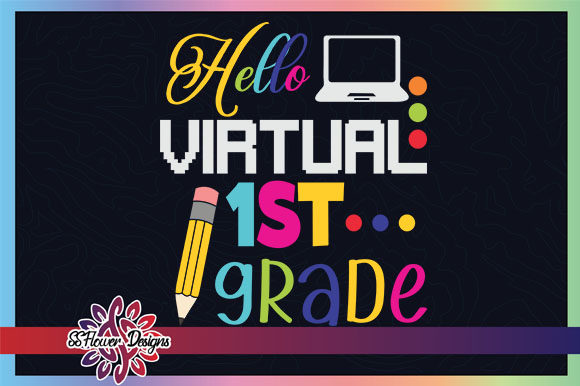
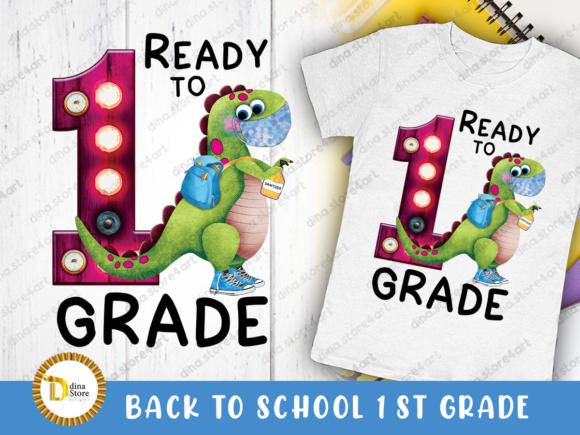
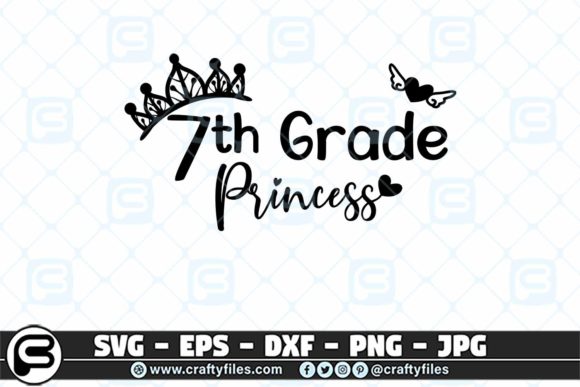
Personalization has moved from a luxury to an expectation in many areas of daily life, and back-to-school gear is no exception. A child walking into kindergarten or middle school wearing a shirt that says “First Grade Superstar” or “Look Out, Fifth Grade” isn’t just making a fashion statement—they’re starting the year with confidence and a sense of identity. For parents, creating or buying these items is a tangible way to mark the transition from summer to school, blending creativity with sentiment.
Digital artwork that comes in multiple file formats—SVG, EPS, PNG, DXF, and JPG—has made this personalization accessible to anyone with a Cricut, Silhouette, or similar cutting machine. Unlike pre-printed iron-on transfers, these digital files allow for endless tweaks: you can change colors, resize elements, combine grade numbers with names, or layer designs onto different backgrounds. This flexibility is especially valuable for families with multiple children, where each child can get a unique design that still fits a cohesive back-to-school theme.
Small business owners and hobbyists have also embraced this trend. An entrepreneur selling custom tumblers, shirts, or classroom decorations can use a single SVG file to produce dozens of variations for local customers or an Etsy shop. The digital download model eliminates inventory risk and shipping delays, making it an efficient way to meet seasonal demand.
Understanding the File Formats and Their Practical Roles
When you purchase a school grade back-to-school digital artwork set, you typically receive a ZIP folder containing five file types. Knowing how each one works helps you get the best results, whether you’re cutting vinyl, printing a transfer, or creating a digital scrapbook page.
- SVG (Scalable Vector Graphics) – This is the gold standard for cutting machines like Cricut Explore and Silhouette Designer Edition. Because SVG files are vector-based, they can be resized without losing quality. If you want to make a “4th Grade” design small for a pencil case and large for a backpack, the SVG file handles both with crisp edges. Most software imports SVG directly, so you can skip manual tracing.
- EPS (Encapsulated PostScript) – Similar to SVG in vector capability, EPS files are widely used in professional design software like Adobe Illustrator, Inkscape, and Corel Draw. If you plan to modify the design’s shapes or combine it with other elements before cutting, EPS provides a reliable workflow. It’s also a common choice for commercial printing services.
- PNG (Portable Network Graphics) – At 300 dpi high resolution, the PNG file is ideal for print-based projects. Use it for sublimation transfers, printable iron-on sheets, or digital invitations. The transparent background (common in PNGs) lets you overlay the grade design onto any color shirt or paper without white edges.
- DXF (Drawing Exchange Format) – DXF is another vector option that some older cutting software and CAD programs prefer. While less common today, it remains useful if you’re working with a legacy machine or a specific plugin that only accepts DXF.
- JPG (Joint Photographic Experts Group) – A standard raster image, the JPG is your preview and fallback. It’s perfect for sharing design mockups with customers or uploading to platforms that don’t support SVG. For final production, you’ll likely use one of the other formats, but JPG ensures you can always view the design.
The key takeaway: for cutting, stick with SVG or DXF; for printing, use PNG; for editing, EPS gives you maximum control. Having all five formats in one package means you’re prepared regardless of your software or project type.
How Creators and Parents Can Make the Most of These Digital Files
The practical applications of school grade digital artwork go far beyond a single first-day shirt. Consider these realistic scenarios:
For parents – You can create matching shirts for siblings, with each child’s grade and a shared graphic element like a bus or apple. Use the PNG file to print a small grading sticker for a water bottle or lunch box. If your child’s school has a color code for uniforms, adjust the design’s color in your software before cutting. Because the files are digital, you can reuse the same design year after year, simply changing the grade number.
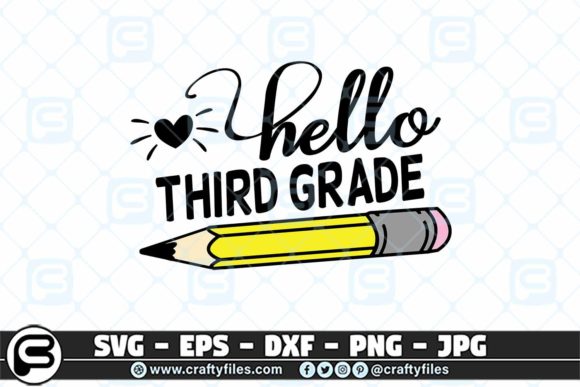
For teachers – A classroom door decoration reading “Welcome to 3rd Grade” can be cut from vinyl using the SVG file. You can also make name tags, reward badges, or binder covers featuring the grade level. The high-resolution PNG works well for printable bulletin board letters or a class photo backdrop.
For small business owners – Selling custom first-day shirts is a lucrative back-to-school niche. With one purchase of a grade-level design set, you can produce shirts for every grade from Pre-K through 12th, scaling your inventory without buying multiple physical templates. Offer personalization (add the child’s name) and upcharge for that service. The EPS file allows you to combine the grade design with other elements like school mascots or sports motifs.
For hobbyists and makers – If you enjoy creating gifts for friends’ kids, these files give you a professional-looking starting point. You can layer the grade design with glitter vinyl, heat-transfer foil, or even engrave it on wood for a custom sign. The DXF file may be useful if your laser engraver or plotter requires that format.
Practical Considerations for First-Day Success
While digital artwork makes customization easy, a few practical points will help you avoid common pitfalls:
- Check your software compatibility. Cricut Design Space handles SVG natively, but older versions of Silhouette Studio may require upgrading to Designer Edition for SVG import. If you’re using a free version, the DXF file often works without extra cost. Always test a small cut before committing to a full project.
- Colors can shift. The PNG and JPG previews show colors as they appear on screen, but your monitor may differ from your printer or cutter’s output. When printing, do a test on plain paper first. For vinyl, note that the design file likely uses standard colors; you can always change the hue in your software to match the garment you’re using.
- Respect the resolution. If you enlarge the PNG beyond its original dimensions, you risk pixelation. Stick to the vector formats (SVG, EPS, DXF) for any resizing above 110% of the original size. The 300 dpi PNG is fine for most apparel items, but for large banners or posters, use the vector file.
- Organize your files. After downloading the ZIP folder, unzip it and rename the files according to the grade you plan to use (e.g., “3rd_Grade_SVG”, “3rd_Grade_PNG”). This saves time when you’re working on multiple kids’ projects.
Why This Trend Is More Than a Fad
The popularity of school grade digital artwork reflects broader shifts in how people approach seasonal events. Instead of relying on mass-produced, generic products, families and creators want items that feel personal and intentional. Cutting machines and digital files empower them to produce high-quality custom designs without a hefty upfront investment.
For educators, the ability to create engaging classroom materials quickly—without waiting for an order from a school supply catalog—is a small but meaningful efficiency gain. For entrepreneurs, the back-to-school season represents a predictable revenue stream that can be tapped each year with minimal additional effort. And for parents, the act of making or buying a custom first-day shirt becomes part of the memory itself.
As more people discover the ease of using SVG, EPS, PNG, DXF, and JPG files together, the demand for well-designed, school-themed artwork will likely continue to grow. The key is to choose designs that are versatile, easy to edit, and compatible across different software platforms—exactly what a comprehensive digital download provides.
Final Thoughts: Making the First Day Uniquely Yours
Whether you’re a parent preparing for your child’s first day of kindergarten, a teacher welcoming a new class, or a small business owner looking to expand your product line, school grade digital artwork offers a practical way to celebrate the occasion. By understanding the file formats and their best uses, you can create projects that look professional and withstand the wear of a school year.
The real value of these digital files lies in their adaptability. A single purchase can be used for shirts, bags, signs, stickers, and more—year after year, grade after grade. As long as you have a cutting machine, design software, and a bit of creativity, you can turn any back-to-school moment into something memorable. That’s the power of looking good on day one, and doing it on your own terms.