Building School Spirit with Back to School 9th Grade Squad Designs and Multi-Grade SVG Collections
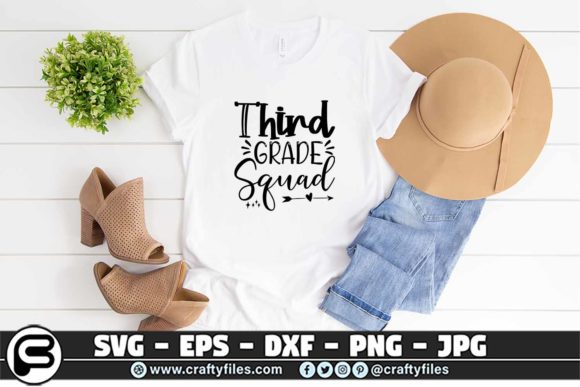
As summer winds down and the crisp promise of autumn fills the air, families, educators, and creators alike begin preparing for the most anticipated academic transition of the year. Among the many traditions that mark this season, none carry more emotional weight than the first day back—a moment captured in photographs, shared on social media, and commemorated with handcrafted apparel and decorations. For those who design, craft, or produce personalized gear for students from Pre-K through high school, the digital toolkit has never been more essential. The emergence of comprehensive file collections like the Back to School 9th Grade Squad set, combined with grade-specific SVG bundles spanning Pre-K, kindergarten, 1st grade, 2nd grade, 3rd grade, 4th grade, 5th grade, 6th grade, 7th grade, and 8th grade, has revolutionized how we celebrate educational milestones. These resources, provided in versatile formats such as SVG, PNG, EPS, DXF, and JPEG, empower creators using Cricut, Silhouette, and other cutting machines to produce professional-grade projects that resonate with students, parents, and school communities.
The Significance of Grade-Level Identity in Back-to-School Culture
School identity formation begins early. From the moment a child steps into a Pre-K classroom, they begin associating themselves with a particular grade level—a label that carries distinct expectations, achievements, and social dynamics. By the time students reach 9th grade, that identity has evolved into something far more complex: a marker of transition into high school, with all the accompanying excitement and anxiety. The phrase "Back to School 9th Grade Squad" taps directly into this sense of belonging, offering a rallying point for students entering their freshman year. It signals camaraderie, shared experience, and the beginning of a new chapter. For younger students, grade-specific SVG files serve a similar purpose, helping children feel proud of their advancement from kindergarten through elementary and into middle school.
Educators and school administrators have long recognized that fostering grade-level pride improves student engagement and reduces first-day nerves. When a 2nd grader wears a shirt emblazoned with their grade number and a playful design, or a 6th grader decorates their locker with a custom-cut vinyl decal, they are not just accessorizing—they are internalizing their place within the school community. This psychological anchoring is why personalized back-to-school gear remains consistently popular, and why digital cutting files tailored to specific grades are in such high demand each August and September.
Understanding the File Formats: SVG, PNG, EPS, DXF, and JPEG
For those new to digital crafting, the array of file formats included in a typical back-to-school bundle can seem overwhelming. Each format serves a distinct purpose, and knowing which to use for a given project is crucial for achieving professional results. The SVG file—Scalable Vector Graphics—is the gold standard for cutting machines like Cricut Explore and Silhouette Cameo. Because SVG files store image data as mathematical vectors rather than pixels, they scale to any size without losing quality, making them ideal for everything from a tiny sticker to a large iron-on transfer. The EPS file, another vector format, is widely compatible with professional design software such as Adobe Illustrator and Corel Draw, offering designers maximum flexibility for editing colors, layering, and typography before exporting to a cutting machine.
PNG files, provided at 300 DPI high resolution, are essential for projects that require raster graphics—for instance, printing a full-color design on transfer paper or creating digital mockups for Etsy listings. The transparency support in PNG files also allows for clean overlays on colored backgrounds. DXF files, originally developed for CAD software, have become a standard interchange format for cutting machines, particularly when transferring designs between different software ecosystems. Finally, the JPEG format offers a universally viewable option for previews, social media sharing, or quick printing on home printers. A well-curated back-to-school bundle will include all five formats, ensuring that whether you are working in Cricut Design Space, Silhouette Studio, or any other cutting software, you have the right file ready to go.
Practical Applications for Creators and Educators
The versatility of these digital cutting files extends far beyond simple t-shirt designs. Savvy creators have developed entire product lines around grade-specific SVG collections, producing items that appeal to students, parents, and school staff alike. Custom water bottles, tote bags, pencil cases, and lunchboxes can all be personalized with grade-level decals cut from durable vinyl. Classroom teachers often use these files to create door decorations, bulletin board headers, and name tags that reinforce the classroom community. PTA and PTO volunteers frequently turn to grade-specific designs for fundraising merchandise, spirit wear sales, and school event signage.
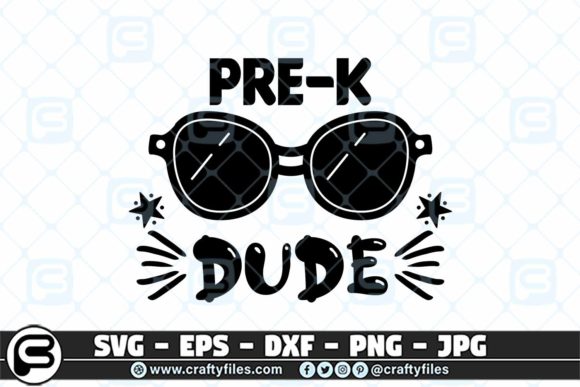
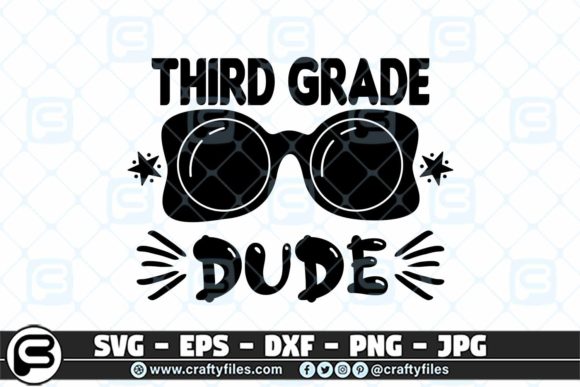
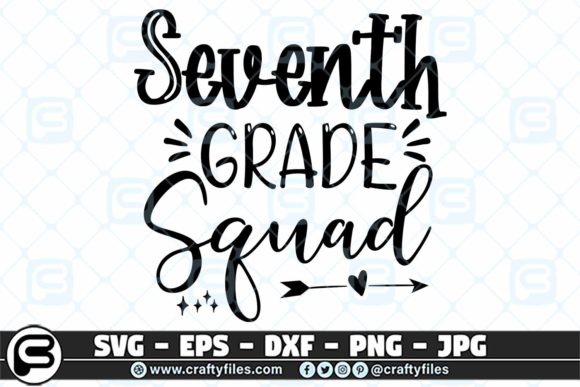
One particularly popular application involves creating matching sibling sets for first-day-of-school photos. A family with children in Pre-K, 3rd grade, and 7th grade can coordinate outfits using grade-specific SVG files, producing a cohesive visual narrative of their academic journey. The Back to School 9th Grade Squad design, in particular, has become a staple for freshman orientation events, where students wear matching shirts to build connection before the school year even begins. These shared visual markers help ease the transition into high school, providing an immediate sense of belonging.
Workflow Considerations for Cutting Machine Users
Achieving consistent, high-quality results with back-to-school SVG files requires attention to several workflow factors. First, ensure that your cutting machine software is up to date. Cricut Design Space and Silhouette Studio both receive regular updates that affect how vector files are imported and processed. When uploading an SVG file, pay close attention to the scale—many designs are created at a default size that may need adjustment for your specific project. For instance, a 9th grade squad design intended for a tote bag might need to be enlarged to fill the space, while the same design for a mug would require scaling down.
Material selection also plays a critical role. For apparel, iron-on vinyl (also called heat transfer vinyl or HTV) works best with vector designs that have clean, connected lines. Avoid designs with very thin elements or intricate internal cutouts, as these can be difficult to weed—the process of removing excess vinyl from around the design. For hard surfaces like laptops, water bottles, or classroom doors, adhesive vinyl is the better choice. The DXF format is particularly useful when transferring designs between different software programs, as it preserves the vector geometry without embedding metadata that might cause compatibility issues.
Creative Possibilities Across Grade Levels
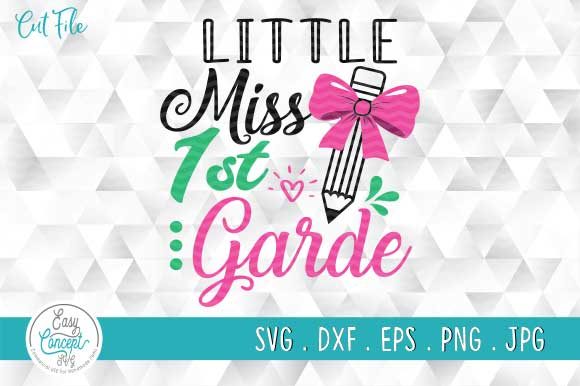
Each grade level presents unique design opportunities and challenges. Pre-K and kindergarten designs typically feature playful, rounded typography, bright colors, and simple icons like crayons, apples, or school buses. These designs appeal to young children while remaining easy to cut and weed for novice crafters. As students progress through 1st grade, 2nd grade, and 3rd grade, designs often incorporate more detailed illustrations—pencils, books, globes, and graduation caps—while still maintaining the readability that parents value for classroom labeling and spirit wear.
By 4th grade, 5th grade, and 6th grade, students begin to develop stronger personal preferences. Many prefer designs with a slightly more mature aesthetic, incorporating sports motifs, music themes, or abstract patterns. The transition to middle school in 6th and 7th grade is a critical moment for grade-level identity, and designs that acknowledge this shift without being childish are particularly successful. The 9th grade squad concept takes this evolution to its logical conclusion, embracing the language of teamwork and belonging that resonates with high school students. These designs often feature bold block lettering, athletic-inspired typography, and the year of graduation, creating a lasting keepsake that students may wear throughout their high school careers.
Monetizing Back-to-School SVG Collections
For small business owners and Etsy sellers, back-to-school SVG bundles represent a significant seasonal opportunity. The demand for grade-specific designs peaks sharply in July and August, with many customers seeking ready-to-cut files that require minimal preparation. Sellers who offer complete bundles spanning Pre-K through 9th grade can capture a broader audience, as parents with children at different grade levels prefer one-stop shopping. Including multiple file formats—SVG, EPS, PNG, DXF, and JPEG—reduces customer confusion and increases the perceived value of the listing.
Educational pricing and bulk licensing options are worth considering for creators who work with schools directly. A single elementary school might purchase a bundle to produce spirit wear for all grades, while a high school might focus exclusively on 9th grade squad designs for freshman orientation. Providing both personal and commercial use licenses within the product description clarifies expectations and reduces potential disputes. Many successful sellers also include a sizing guide or a brief tutorial on using SVG files in Cricut Design Space, further establishing their expertise and reducing post-purchase support requests.
Quality Considerations for Digital Cutting Files
Not all SVG files are created equal. When evaluating a back-to-school bundle, look for designs that have been properly optimized for cutting machines. This means clean, closed vector paths without overlapping nodes or stray anchor points. Files that were converted from raster images using automatic tracing tools often produce poor results, with jagged edges or excessive node counts that slow down cutting machines. Professional designers will test their files on multiple cutting platforms before release, ensuring that the SVG, DXF, and EPS versions all cut cleanly.
File organization is another mark of quality. A well-structured zip folder will include clearly named subfolders for each grade level, with file names that indicate the grade, design name, and format. For example, "9th_Grade_Squad_SVG.svg" is far more useful than a generic string of numbers. This attention to detail saves time and reduces frustration, particularly for customers who purchase multiple bundles and need to locate specific files quickly. The inclusion of a high-resolution PNG preview helps buyers visualize the design before cutting, which is especially important for multicolor projects that require layering different vinyl sheets.
Integrating Back-to-School Designs into Classroom Culture
Teachers have discovered creative ways to incorporate grade-level SVG designs into their classroom routines beyond the first day of school. Bulletin boards that feature all students' names in a grade-specific design build community from day one. Homework folders, binder covers, and classroom job charts can all be personalized using cut vinyl or printed labels. Art teachers often use SVG files as templates for student projects, allowing children to trace or paint their own versions of the designs. Librarians use them to create signage for grade-level reading sections, and administrators use them for hallway directories that help new students navigate the building.
For 9th grade specifically, the squad concept can extend into advisory groups, homeroom competitions, and school-wide events. When every freshman wears a shirt with the same design, it creates a visual identity that reinforces the message: you belong here. This is particularly valuable in large high schools where new students might otherwise feel lost. School counselors and orientation coordinators have reported that coordinated spirit wear helps break down social barriers and encourages students to interact across different middle school feeder patterns.
Long-Term Value of Digital Cutting File Collections
One of the overlooked advantages of purchasing SVG bundles is their reusability. Unlike physical products that are used once and discarded, digital files can be stored, shared within a household, and used year after year. A family that invests in a comprehensive back-to-school bundle can produce new apparel and accessories for each child each year, only needing to purchase additional vinyl or transfer paper. This makes digital files an economical choice for large families and for teachers who need to produce classroom materials annually.
Moreover, the same SVG files that are used for back-to-school projects can often be repurposed for other occasions throughout the school year. A 5th grade design works just as well for a graduation celebration in June as it does for the first day in August. A 9th grade squad file can be used for homecoming decorations, end-of-year parties, and even senior year flashback events. With a little creativity, a single purchase can serve a family or classroom for many semesters, providing exceptional value.
As the back-to-school season approaches each year, the tools available to creators continue to evolve. The combination of high-quality digital cutting files, versatile file formats, and accessible cutting machines has democratized the production of personalized school gear. Whether you are a professional seller looking to expand your product line, a teacher building classroom community, or a parent creating cherished first-day memories, the right SVG collection can transform your vision into reality. The Back to School 9th Grade Squad and companion grade-level designs represent not just a product category, but a celebration of educational milestones—one cut, one layer, one proud student at a time.