Back to School Leopard Frame 4 Th Grade: A Practical Design Asset for Seasonal POD Production
When the back-to-school season approaches, creators and small business owners look for designs that combine timeliness with versatility. The Back to School Leopard Frame 4 Th Grade asset offers exactly that — a high-resolution PNG file ready for immediate use in print-on-demand workflows. This article walks through what this asset is, how it fits into real production pipelines, and how to integrate it into your own creative or business processes.
Understanding the Asset and Its Place in Your Workflow
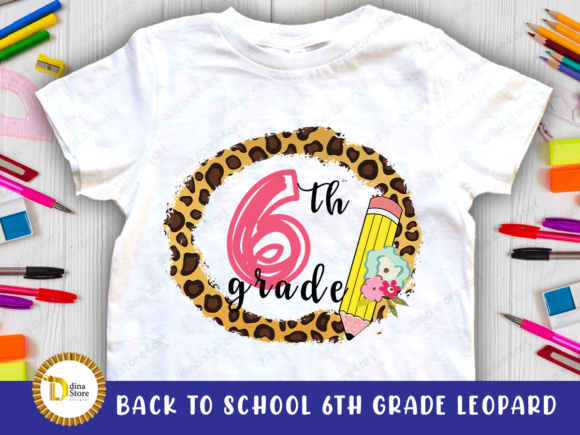
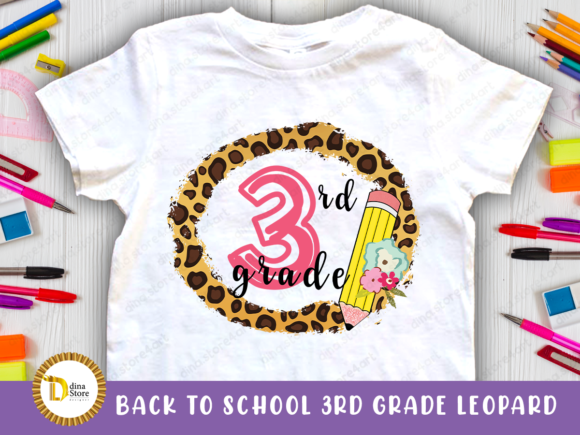
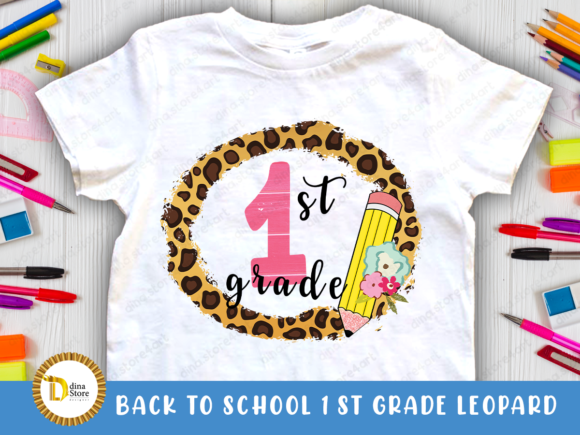
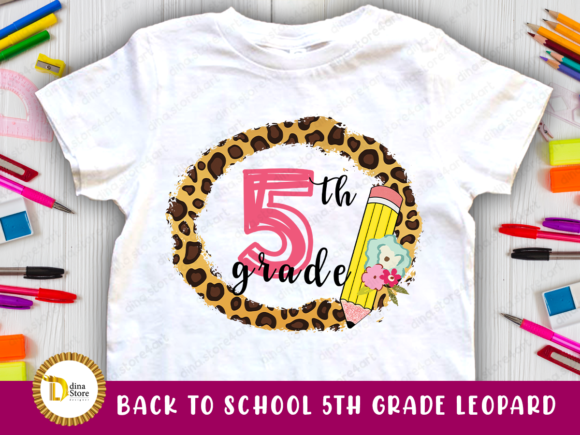
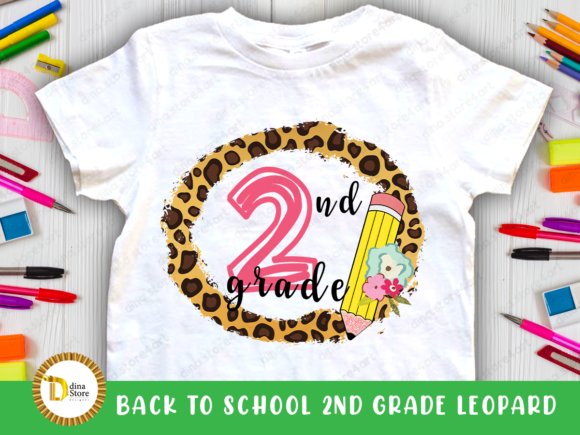
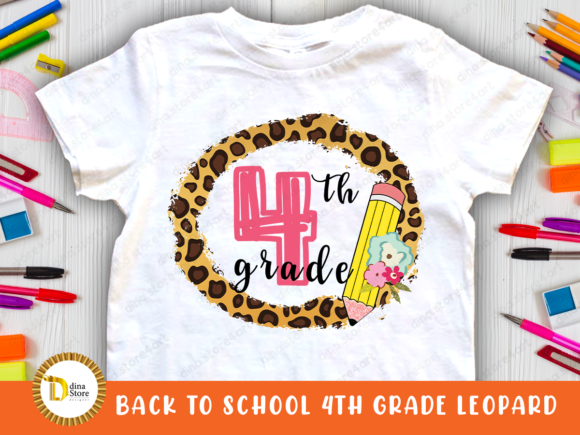
At its core, Back to School Leopard Frame 4 Th Grade is a pre-made design file saved at 300 DPI in CMYK color mode, sized at 11 x 8 inches. It comes as a transparent PNG, making it straightforward to drop into any design program. The frame itself combines a fourth-grade theme — think school supplies, numbers, and grade-specific motifs — with a leopard print border that gives it a bold, trendy feel.
For creators who sell on POD platforms like Printful, Printify, Redbubble, or Amazon Merch, this asset serves as a structural starting point. You are not required to use it as-is. In fact, the most successful implementations involve adding your own distinctive elements — custom text, additional graphics, color overlays, or layout adjustments — to ensure the final product feels unique and avoids duplication flags on marketplace platforms.
The asset fits naturally into the design preparation phase of a seasonal campaign. Before you even open your design software, you can plan which product categories you will target: apparel, drinkware, home goods, or stationery. Because the file is resolution-ready and color-accurate for print, you skip the step of building a frame from scratch and move directly to customization.
Real-World Use Cases Across Product Categories
The versatility of Back to School Leopard Frame 4 Th Grade becomes apparent when you map it against common POD product lines. Below are practical ways to deploy this asset across different mediums:
Apparel and T-Shirts
T-shirts are the most straightforward application. Because the file is 11 x 8 inches at 300 DPI, it fits comfortably within standard print areas for adult and youth sizes. Place the frame centered on a shirt, then add the student’s name, school year, or a short phrase inside or around the frame. For sublimation on polyester blends, the CMYK color profile ensures the leopard pattern prints with accurate warmth and contrast.
A workflow example: open the PNG in your design software, layer a bold sans-serif name inside the frame, and add a small "4th Grade" ribbon below. Export as a transparent PNG and upload to your POD platform. Test on a white or light-colored tee first, then experiment with dark garments by adding a white underlay behind the frame.
Drinkware and Mugs
Mugs require a different composition approach, but the asset adapts well. The 11 x 8 inch canvas gives you room to scale down the frame to fit a 4 x 4 inch or 4 x 6 inch print area. For wrap-around mug designs, split the frame into left and right sections, or use a single centered placement on the front. Because leopard print has strong visual contrast, it works well on both ceramic and sublimation-ready mugs.
Practical tip: add a thin stroke outline to the frame if using on dark-colored mugs to maintain edge visibility. The leopard pattern already has inherent texture, so keep additional decorations minimal to avoid visual clutter.
Pillows and Home Decor
Square and rectangular pillows are a natural fit for this frame. At 11 x 8 inches, the asset can be printed directly onto a 12 x 12 or 14 x 14 pillow cover with slight scaling. For sublimation pillows, the CMYK file ensures the leopard print transfers without color shift. You can also use the frame as a border element on larger blankets or tote bags, positioning it in the center or offset for a modern layout.
Invitations and Cards
Back-to-school parties, meet-the-teacher events, or classroom celebrations all benefit from coordinated stationery. The Back to School Leopard Frame 4 Th Grade can be used for invitations, thank-you cards, and classroom signs. Because the PNG has a transparent background, you can overlay it onto colored cardstock backgrounds or patterned paper without awkward edges.
For invitations, keep the frame as a decorative border and add event details inside. For signs, use the frame as a photo prop background — parents can hold the sign on the first day of school. This dual-purpose use increases the asset’s value per project.
Integration with Design Tools and POD Platforms
The asset is saved at 300 DPI and CMYK, which means it is print-ready out of the box. Most POD platforms accept PNG files with transparent backgrounds, and this one meets that requirement. Whether you use Adobe Illustrator, Photoshop, Canva, Affinity Designer, or even free tools like GIMP, the file opens cleanly and maintains its resolution.
When integrating into a platform like Canva, drop the PNG directly onto your canvas. Because Canva defaults to sRGB, the CMYK file may look slightly different on screen, but the print output will be accurate. For professional production pipelines, keep the original CMYK file as your master copy and convert to sRGB only for platform previews or mockups.
Compatibility note: The 11 x 8 inch size matches many standard POD templates. However, always check your platform’s recommended print area for each product. For example, a youth t-shirt may require a smaller print area, so you will need to scale the frame accordingly. Scaling down is safe because the high DPI preserves sharpness; scaling up too far may introduce pixelation, so keep increases below 30%.
Preparing Distinctive Variations for POD Success
One of the most common mistakes on print-on-demand platforms is uploading designs that look too similar to other listings. To protect your account and improve visibility, you should add unique distinctive elements to Back to School Leopard Frame 4 Th Grade before publishing. Simply uploading the frame as-is will likely trigger duplication flags or at best result in a generic listing that gets buried.
Here are concrete modification strategies:
- Custom typography: Add a student name, class year, or motivational phrase inside the frame. Use a font that complements the leopard print — a chunky sans-serif or a playful script works well.
- Color editing: Change the leopard spots to match a school color or seasonal palette. Keep the base shape intact, but recolor the spots using hue adjustment layers.
- Additional graphics: Layer in small icons like pencils, apples, backpacks, or graduation caps around the frame’s corners. This personalizes the design without overwhelming the leopard pattern.
- Layout variation: Place the frame on a diagonal, or combine two frames side by side for twin products. You can also rotate the frame and add a background texture behind it.
- Textural overlays: Apply a subtle distressed or watercolor effect to the leopard print for a more artistic look. This differentiates your version from standard leopard designs.
Each of these modifications changes the design’s character while keeping the core frame recognizable. The result is a product that feels intentional and original, which aligns with POD platform guidelines and customer expectations.
Organizing Your Asset Library for Long-Term Use
Because the back-to-school season repeats annually, storing Back to School Leopard Frame 4 Th Grade in an organized asset library makes sense. Create a folder structure that separates raw assets, modified files, and final exports. Use clear naming conventions that include the grade level, theme, and resolution, such as back_to_school_leopard_frame_4th_grade_300dpi.png.
For repeat use across multiple seasons, keep one master file untouched and create derivative files for each product run. This approach saves time and prevents accidental overwrites. If you sell on multiple platforms, maintain separate subfolders for each platform’s product requirements — for example, one folder for apparel exports and another for drinkware layouts.
Quality Control and Consistency Checks
Before uploading any final design to a POD platform, run through a short quality checklist:
- Confirm the file is still at 300 DPI and the dimensions match the intended print area.
- Check that the transparent background is truly transparent — no white or black artifacts around the edges.
- Verify that any added text or graphics have sufficient contrast against the leopard pattern. Leopard print can be busy, so choose colors that stand out.
- Test a mockup using the platform’s preview tool to see how the frame aligns on the product.
- If using sublimation, ensure the CMYK profile is embedded in the file so the printer reads the color space correctly.
Consistency across your product line also matters. If you offer the frame on both t-shirts and mugs, make sure the design placement feels balanced on both. Customers who buy multiple items from your store will notice if the alignment or color appears off between products.
Efficiency Gains from Pre-Made Assets
Using a pre-made asset like Back to School Leopard Frame 4 Th Grade reduces the time spent on structural design — drawing frames, setting up color profiles, and ensuring print readiness. Instead, you can focus your energy on customization, marketing, and customer engagement. For creators who juggle multiple seasonal campaigns, this time saving translates directly into more listings published before the peak shopping window.
Efficiency also extends to batch production. Once you have modified the frame for one product, you can reuse the same modified file for multiple products with minor adjustments. For example, a customized t-shirt design can be repurposed for a matching mug and pillow by adjusting the scale and aspect ratio. This batch approach multiplies your output without multiplying your workload.
Final Observations on Integration
Back to School Leopard Frame 4 Th Grade is not a standalone product — it is a component within a larger creative workflow. Its value depends on how well you integrate it into your design process, your quality control routine, and your platform strategy. By treating it as a flexible starting point rather than a finished product, you give yourself room to innovate and meet customer demand for unique, grade-themed merchandise.
For small business owners and hobbyists alike, the key takeaway is preparation. Before the back-to-school rush begins, have your modified files ready, your mockups tested, and your product categories decided. The frame itself is just the foundation; what you build around it determines your results.