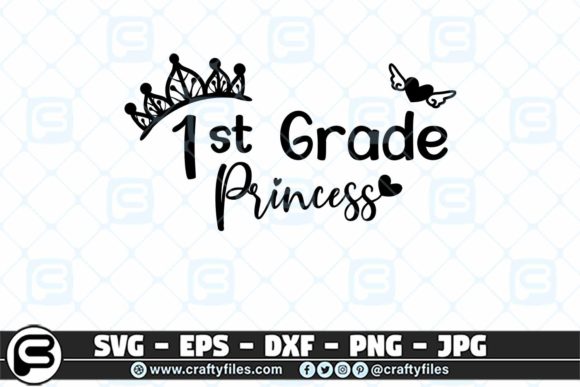
Back to School 1st Grade Princess: Strategic Design Assets for the New School Year
The transition back to school is more than a calendar milestone. For educators, small business owners, and creative professionals, it represents a concentrated window of opportunity to connect with families, reinforce classroom culture, and produce meaningful keepsakes. Among the digital assets designed for this season, the Back to School 1st Grade Princess collection and the broader Back to school SVG Pre-K kindergarten 1st grade 2nd grade 3rd grade 4th grade 5th grade 6th grade 7th Grade SVG set offer more than just decorative clipart. When used intentionally, these cutting files become tools for communication, branding, and long-term resource building.
This article examines how thoughtful deployment of these SVG, EPS, PNG, DXF, and JPG files can support practical goals—from classroom preparation to product development—while helping you avoid the common pitfalls of using digital assets without clear direction.
Understanding the Value of Thematic SVG Collections for Back-to-School Planning
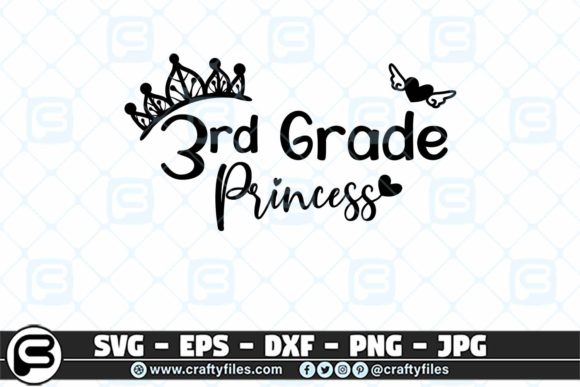
At first glance, a princess-themed first-grade design might seem like a niche choice. But thematic cohesion matters when you are creating materials for a specific audience. The Back to School 1st Grade Princess concept speaks directly to young learners who respond to imaginative, aspirational imagery. Meanwhile, the grade-specific SVG set covering Pre-K through 7th grade allows you to scale your approach across multiple age groups without starting from scratch each time.
Strategically, these files serve several distinct purposes:
- Brand consistency: Whether you are a teacher decorating a classroom or a small business owner selling customized shirts, using a unified visual theme across all materials reinforces recognition and trust.
- Time efficiency: Pre-designed cutting files eliminate the need to create vector art from zero, allowing you to focus on production, assembly, or client communication.
- Audience targeting: Grade-specific designs let you tailor your messaging for parents of kindergartners versus those of middle schoolers, each with different emotional triggers and expectations.
Rather than treating these files as mere decorations, consider them foundational components of a larger communication strategy. A first-day shirt with a princess motif, for example, can become a conversation starter between a child and their new teacher, easing social transitions. For the business owner, that same design on a shirt or tote bag can serve as a subtle marketing piece when worn in public during the back-to-school season.
Why Intentional Use of Digital Cutting Files Supports Business and Classroom Goals
Digital cutting files are popular because they are versatile, but versatility without intent often leads to scattered results. When you approach the Back to school SVG Pre-K kindergarten 1st grade 2nd grade 3rd grade 4th grade 5th grade 6th grade 7th Grade SVG collection with clear objectives, the files become strategic multipliers for your productivity and creativity.
For the educator, these files support several operational goals:
- Classroom environment shaping: Use the designs on wall decals, name tags, cubby labels, and bulletin boards. A first-grade princess theme can make a room feel welcoming and magical for students who may be nervous about the new year.
- Parent communication: Create consistent take-home materials such as welcome packets, folder covers, or fridge reminder magnets that feature the same visual language as your classroom decor.
- Professional positioning: A well-decorated, visually coherent classroom signals to parents and administrators that you invest effort in the student experience.
For the entrepreneur or freelancer, the strategic use cases expand further:
- Product line development: Offer customizable items like iron-on transfers, stickers, and vinyl decals for each grade level. The princess theme can anchor a sub-line targeting parents of young girls, while the broader grade-level set lets you serve the entire K–7 market.
- Marketing collateral: Use the PNG files for social media posts, email newsletters, or Etsy listings. A consistent visual identity across platforms builds recognition and reduces cognitive load for potential buyers.
- Inventory planning: Because the files are digital and reusable, you can test different grade-level designs with minimal upfront cost. This allows for data-driven decisions about which themes resonate best with your audience.
Practical Applications Across Multiple Grade Levels and Audiences
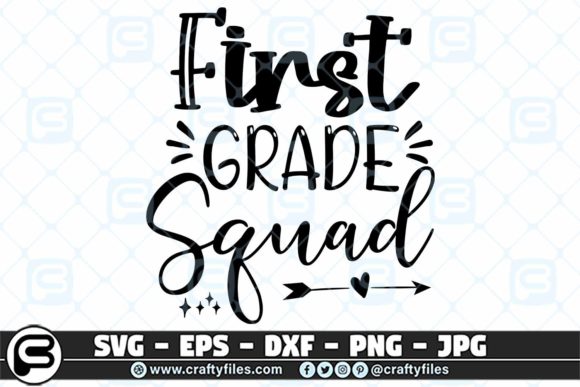
The Back to School 1st Grade Princess design is just one entry point. The full SVG set spans Pre-K through 7th grade, which means you can create a cohesive yet differentiated experience for every age group in an elementary or middle school.
Consider a scenario where a small business owner offers custom back-to-school shirts for an entire school district. With this collection, they can produce designs for a Pre-K student with playful, large type and simple imagery, while offering a more sophisticated seventh-grade version that feels age-appropriate. The princess theme for first graders gives parents a specific emotional hook—childhood wonder meets academic milestones—that may drive purchasing decisions.
For a teacher, the grade-level specificity ensures that materials feel personal rather than generic. A kindergarten design might emphasize exploration and play, while a third-grade design subtly signals growing independence and skill development. When parents see grade-specific imagery, they perceive greater attention to detail and care.
Practical use cases include:
- First-day-of-school photo props and signs
- Customized water bottles or lunch bags
- Teacher gift tags and appreciation gifts
- Classroom job charts and behavior trackers
- Event signage for back-to-school nights and open houses
- Digital scrapbook elements for memory books
Planning Your Designs: How to Choose the Right File Format for Your Project
One of the strengths of this digital package is the inclusion of five file formats: SVG, EPS, PNG, DXF, and JPG. Each format serves a specific production workflow, and choosing the right one is a strategic decision that affects both quality and efficiency.
- SVG (Scalable Vector Graphics): Ideal for Cricut Design Space, Silhouette Studio, and other cutting software. Use this when you need precise cut lines for vinyl, iron-on, or cardstock projects. The vectors scale infinitely without losing resolution.
- EPS (Encapsulated PostScript): Best for Adobe Illustrator, Corel Draw, and Inkscape users who need to manipulate individual paths or colors before exporting. If you plan to modify the design significantly, start with the EPS file.
- PNG (Portable Network Graphics): A 300 dpi high-resolution raster file with transparent background. This is your go-to for digital mockups, social media graphics, print-on-demand previews, and any use where layering over other images is required.
- DXF (Drawing Exchange Format): Commonly used with Silhouette machines and certain CAD programs. If you work in a mixed-software environment or need compatibility with older systems, DXF provides a reliable bridge.
- JPG (Joint Photographic Experts Group): Suitable for quick reference, sharing with clients who lack vector software, or printing when transparency is not needed.
Strategic tip: Always archive the original SVG and EPS files even after you have exported your final cuts. They are editable, resolution-independent, and can be repurposed for future projects without degradation. The PNG and JPG are deliverables; the vectors are your true assets.
Strategic Considerations Before You Download and Create
Digital files offer convenience, but convenience without context can lead to waste. Before you purchase and use the Back to school SVG Pre-K kindergarten 1st grade 2nd grade 3rd grade 4th grade 5th grade 6th grade 7th Grade SVG set, ask yourself a few planning questions:
- What is the primary outcome I want to achieve? Is it a single product launch, a classroom theme, or an ongoing product line? The answer determines how many designs you need and which grade levels to prioritize.
- Who is my end user? A first-grade princess theme may delight a six-year-old girl, but it might not resonate with a parent buying for a boy or a child who prefers other motifs. If you are selling, consider offering customization options or complementary themes to broaden appeal.
- What is my production capacity? Cutting adhesive vinyl, weeding, and transferring designs takes time. Batch your production sessions to maximize efficiency. Use the vector files to create nested cut layouts that minimize material waste.
- How will I handle scaling? If demand grows, can you increase output without sacrificing quality? Digital files are infinitely reproducible, but your physical production process has limits. Plan for repeatability by documenting your settings and material sources.
These considerations help you move from reactive use—downloading files and figuring out what to do with them later—to proactive planning where the files serve a predetermined purpose.
Long-Term Value: Building a Library of Reusable Assets
A single back-to-school season passes quickly, but the digital files you acquire can generate value for years if managed properly. The Back to School 1st Grade Princess and the broader grade-level set are not disposable; they are building blocks for an ongoing library of thematic assets.
For educators, storing organized SVG and EPS files means you can refresh your classroom decor annually without repurchasing designs. Change the color palette, adjust the size, or combine elements from different grade levels to create differentiated materials for returning students. The princess theme can be rotated with other motifs year to year, keeping the environment novel while maintaining your personal teaching brand.
For business owners, a library of categorized, searchable files enables faster product development for future back-to-school seasons. You can remix previous designs, create bundle deals, and offer custom combinations without incurring new design costs. The PNG files alone can populate dozens of product mockups for Etsy, Amazon, or your own storefront, reducing the time from idea to listing.
To maximize long-term value, establish a naming convention and folder structure before you accumulate too many files. For example:
- Back_to_School / Pre-K / princess_v1.svg
- Back_to_School / 1st_Grade / princess_crown.dxf
- Back_to_School / 7th_Grade / modern_stars.png
This system pays dividends when you need to locate a specific file under time pressure during the busy August–September window.
Common Pitfalls and How to Avoid Them
Using digital cutting files without strategic oversight can lead to several predictable problems. Being aware of them helps you make better decisions from the start.
Pitfall 1: Over-diversification without focus. Because the set includes so many grade levels, it is tempting to create products for every age group at once. This can dilute your marketing message and spread your production capacity thin. Instead, start with one or two grade levels where you have the strongest audience or interest, and expand after validating demand.
Pitfall 2: Ignoring file format limitations. Not all cutting machines handle every format equally. For instance, DXF files may require cleanup in some software versions. Always test a small batch before committing to large production runs. Keep the original SVG as your gold standard.
Pitfall 3: Skipping licensing and usage checks. While this product description indicates commercial use is allowed (within typical digital file terms), always verify the specific license for any asset you purchase. Misunderstanding usage rights can create legal or ethical issues, especially if you build a business around the designs.
Pitfall 4: Designing in isolation without user feedback. A princess theme might be appealing to you, but if your target customers prefer other styles, you will struggle to sell. Use social media polls, Etsy search data, or direct conversations with parents to validate your assumptions before investing time and materials.
Pitfall 5: Neglecting file organization. Losing track of your digital assets wastes time and money. Implement a simple taxonomy from day one, and back up your library to cloud storage and an external drive.
Decision-Making Guidance for Creators and Educators
Whether you are a seasoned Cricut user or a teacher exploring cutting files for the first time, the decision to use the Back to school SVG Pre-K kindergarten 1st grade 2nd grade 3rd grade 4th grade 5th grade 6th grade 7th Grade SVG set should align with your broader goals for the season. Here is a practical framework to guide your choice:
- If your goal is classroom warmth and engagement: Prioritize the Back to School 1st Grade Princess design for your youngest students, and use grade-appropriate variations from the set for older classes. Focus on visual consistency across your room.
- If your goal is launching a product line: Start with the most emotionally resonant theme (the princess motif) and test it with a small audience. Expand to other grade levels only after you confirm repeat sales or positive feedback.
- If your goal is efficiency and scalability: Standardize on SVG and PNG files for your production pipeline. Create templates for each grade level so that customization involves only swapping text or minor elements, not redesigning from scratch.
- If your goal is client work or freelance projects: Offer the full grade-level set as a premium package to clients who need school-wide consistency. The breadth of the collection becomes a selling point that differentiates you from competitors with limited offerings.
The most successful users of digital cutting files treat them not as one-off purchases but as components of a repeatable system. They invest time upfront in planning, organization, and audience understanding, and they reap the benefits of faster turnaround, stronger brand recognition, and higher customer satisfaction during the back-to-school rush.
By approaching the Back to School 1st Grade Princess and the accompanying grade-level SVG collection with strategic intent, you transform a simple set of vectors into a durable toolkit for creativity, communication, and long-term value. Whether your context is a classroom full of six-year-olds or an online store serving hundreds of families, the difference between random use and purposeful design lies in the questions you ask before you press "download."